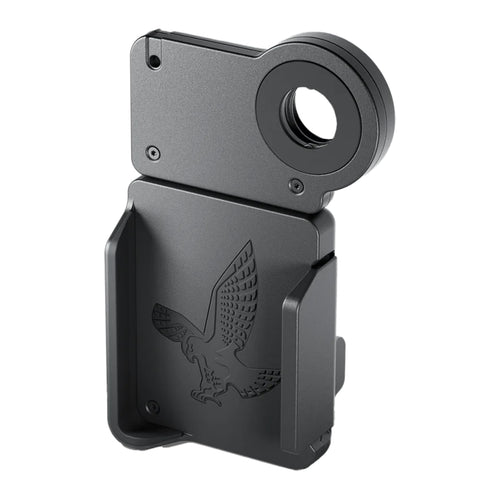

Swarovski SLC 15x56 Binoculars- SLC1556 (Green)

Who Is This Binocular For? The Swarovski SLC 15x56 is a binocular for observing over long distances. It suits anyone who wants to look at subjects across expansive areas, such as open landscapes. The 15x...
R 54,249.00

All prices are VAT inclusive | Free delivery over R1,000*

Ironclad Warranty

click here to view warranty details

Delivery Estimations

click here to see all delivery times
Swarovski SLC 15x56 Binoculars- SLC1556 (Green)

Swarovski SLC 15x56 Binoculars- SLC1556 (Green)

R 54,249.00

Swarovski SLC 15x56 Binoculars- SLC1556 (Green)

R 54,249.00

Who Is This Binocular For?

The Swarovski SLC 15x56 is a binocular for observing over long distances. It suits anyone who wants to look at subjects across expansive areas, such as open landscapes.

The 15x magnification brings distant subjects much closer. The 56 mm lenses are the objective size, and larger lenses let in more light. The manufacturer also notes optimised optics with sharp detail all the way to the edges of the image.

One of the main advantages of this model is how it handles. The extended depressions are designed to improve grip, and the balanced weight is meant to keep it comfortable to use.

The SLC 15x56 is aimed at long-distance observation rather than quick, casual viewing. Someone who wants a lower magnification for general use may be better served by a different model in the Swarovski Optik range.

Why Choose the SLC 15x56?

Made for long distances
The 15x magnification helps you see distant subjects across expansive areas.

Sharp to the edges
The optics are designed to deliver sharp detail across the whole image.

A secure grip
Extended depressions on the body are designed to improve grip.

Balanced weight
The balanced weight is designed to keep the binocular comfortable to use.

Manufacturer Overview

The SLC 15x56 binoculars are the expert for observing over long distances. Their 15x magnification and optimized optics, combined with outstanding edge-to-edge sharpness allow you to see special moments, even over expansive areas. The extended depressions for improved grip and the balanced weight ensure maximum comfort when using them.

Colour Green
Magnification 15
Effective Objective Lens Diameter 56 mm
Exit Pupil Diameter 3.7 mm
Exit Pupil Distance 16 mm
Field of View at m/1,000 m / ft/1,000 yds 78 m/1000m
Field of View Degrees 5.4 °
Field of View with Eye Glasses (°) 5.4 °
Field of View Apparent 62 °
Shortest Focusing Distance 3.9 m
Diopter Adjustment ± 5 dpt
Diopter Correction at ∞ >8 dpt
Light Transmission 93 %
Pupil Distance 56-76 mm
Twilight Factor acc. to ISO 14132-1 29
Length in mm. 192 mm
Width in mm. 141 mm
Height in mm. 73 mm
Weight 1200 g
Functional Temperature -25 to +55 °C
Storage Temperature -30 to +70 °C
Submersion Tightness 13 ft / 4 m water depth (inert gas filling)
Scope of delivery
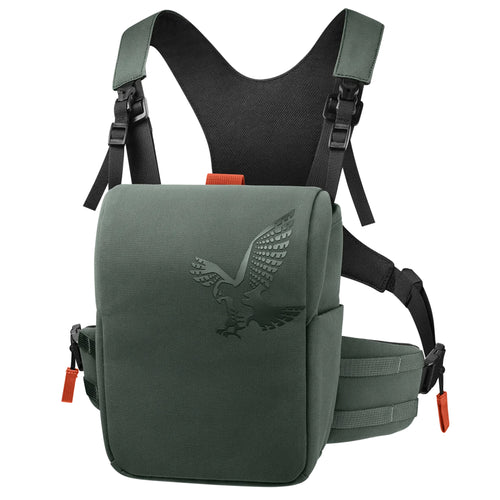
  • Bag
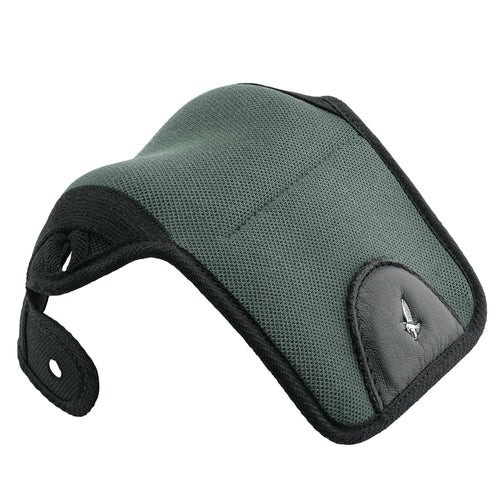
  • Eyepiece cover
  • Objective lens cover
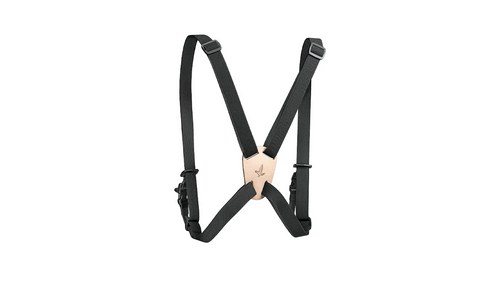
  • Comfort carrying strap
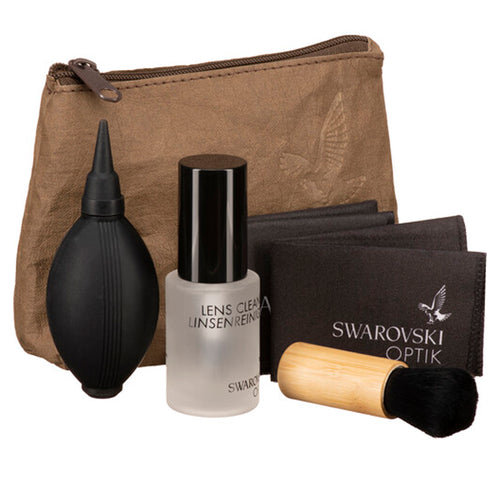
  • Soap & Brush

What to consider when choosing your binoculars

Magnification

—
Logo

Magnification indicates how much closer an object appears compared to its actual distance. Higher magnification makes objects look closer but reduces the field of view. The number before the ‘x’ in a product name shows the magnification—for example, 10x42 means 10x magnification.

Field of view

—
Logo

The field of view indicates how wide an area is visible through the optics. It’s measured in meters at 1000 meters (m/1000m), feet at 1000 yards (ft/1000 yds), or in degrees. Higher magnification narrows the field of view. Binoculars offer a wide view, while spotting scopes provide more detail but a narrower view.

Objective lens diameter

—
Logo

The objective lens diameter determines how much light enters the optics, affecting performance in low-light conditions. Larger diameters capture more light, which is crucial in darker environments. The number after the ‘x’ in a product name shows this diameter in millimeters—for example, 10x42 means a 42 mm objective lens.

Shortest focusing distance

—
Logo

The shortest focusing distance specifies how close an object needs to be to see it clearly with the optics. Between this value and infinity, it is possible to focus the image.

Swarovski SLC Series

PERFECTION MEETS TRADITION